

Turn on the music and something happens. Your foot starts tapping. Your shoulders relax. For many older adults, dancing is more than fun. It is one of the best ways to stay active, sharp, and connected to other people. You do not need years of training. You do not even need a partner. You just need to show up and move.
Why Dancing Is So Good for You
Dancing works your whole body and your whole mind at the same time. That is rare. Most exercises target one thing. Dancing targets many things at once, and that makes it powerful for healthy aging.
It Helps Your Heart
Dancing gets your heart pumping. Research shows dance can improve cardiovascular health about as well as walking does. It raises your heart rate, works your lungs, and supports a healthy blood flow through your whole body.
It Builds Strength and Balance
Dance moves work your legs, hips, and core. Over time, this builds real strength in your lower body. That strength helps with everyday tasks, like standing up from a chair or climbing stairs.
Dancing also trains your balance and coordination. A six-month study called the “Dance to Health” program found that participants improved their endurance, agility, and strength compared to people who did not dance. Better balance means fewer falls. Falls are a top cause of injury for older adults, so this benefit matters a lot.
It Protects Your Bones and Joints
Rhythmic movement, like stepping and swaying, can help strengthen bone density. This is important for preventing osteoporosis, a condition that makes bones weak and easy to break. At the same time, dancing is gentle on your joints. It is much lower impact than running or high-intensity workouts, and moves can be adjusted for anyone with joint pain or arthritis.
It Sharpens Your Mind
Learning new dance steps is like a workout for your brain. You have to remember patterns, follow the beat, and coordinate your movements. A 2020 review of research found that dance improves cognitive function, especially in people with mild memory problems. Your brain stays active, and that activity helps keep your memory sharp.
It Lifts Your Mood
Dance combines music, movement, and connection with other people. That combination is powerful for mental health. Studies link regular dancing with fewer symptoms of depression and lower stress levels. Moving to a beat you enjoy naturally boosts your mood, often within minutes.
It Fights Loneliness
Group dance classes bring people together. You meet others who share your interest. You build a routine you look forward to each week. This kind of social connection is one of the most important parts of healthy aging. Loneliness has real effects on health, and dance is one of the easiest ways to fight it.
Types of Dance for Every Ability
One of the best things about dance is how flexible it is. You can find a style that fits your body, your energy level, and your comfort zone. Here are three popular options for older adults.
Ballroom Line Dancing
Ballroom line dancing takes classic dances, like the Foxtrot and Cha Cha, and turns them into line format. Everyone faces the same direction and follows the same steps. You get the elegance of ballroom music and movement without needing a partner. This style is popular at senior centers because it feels fancy but stays approachable for beginners.
Traditional Line Dancing
Line dancing is one of the most accessible dance styles for seniors. You stand in a row with other dancers and follow a repeated pattern of steps. No partner is required. No experience is required either. Instructors usually walk you through the steps slowly before adding music, so you can build confidence before the class picks up speed.
Chair Dancing
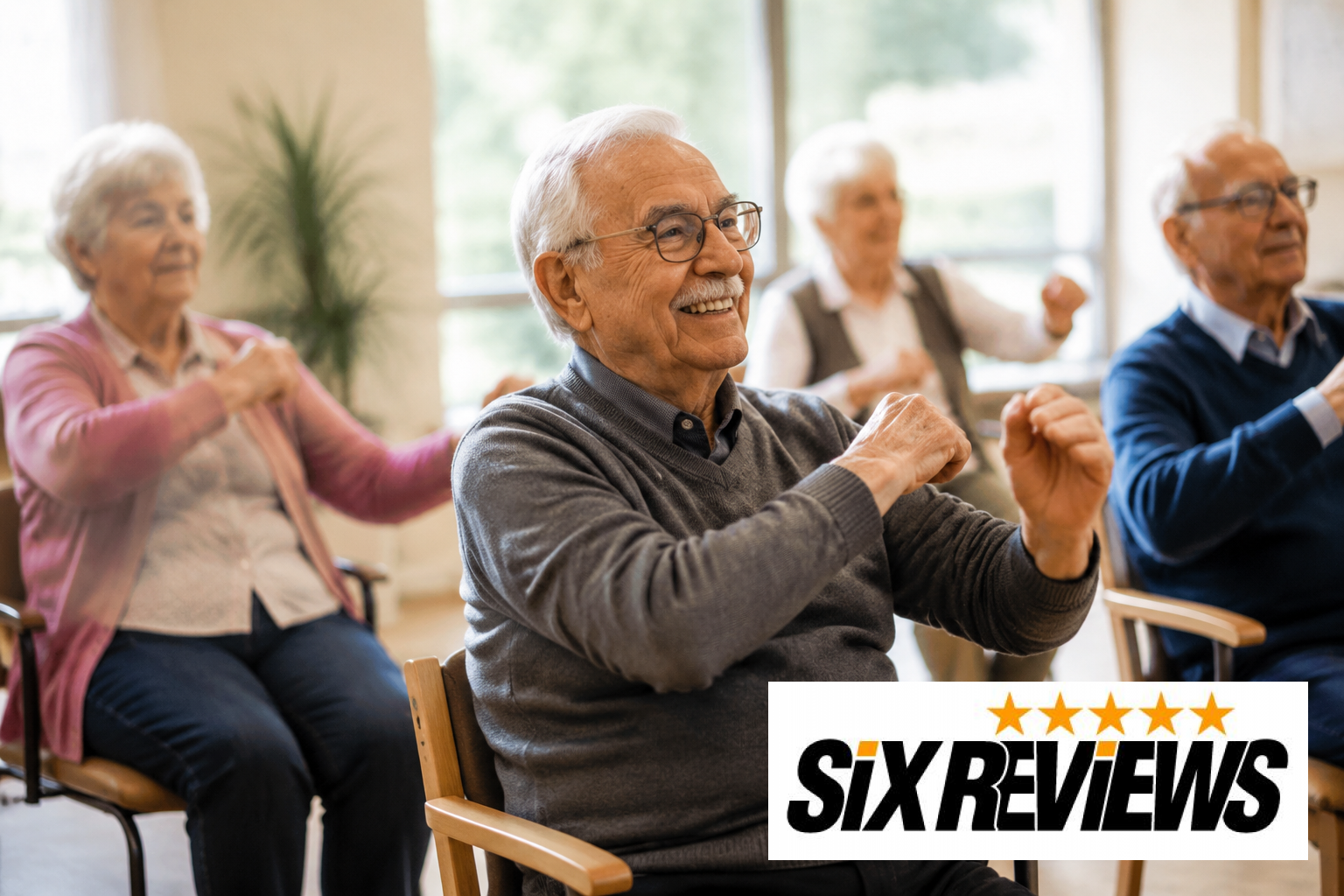
Chair dancing is a modified dance routine performed while seated. It gives you full access to the music, rhythm, and joy of dance, without putting stress on your knees, hips, or back. This is a great option if you use a wheelchair, are recovering from surgery, or simply prefer to stay seated. You still move your arms, shoulders, and upper body to the beat, and you still get real health benefits.
Silver Swans and Other Specialized Classes
Some organizations offer dance classes built specifically for older adults. The YMCA, for example, offers a program called Silver Swans. It blends ballet technique with a supportive, inclusive setting for adults 55 and older. Classes like this are designed with your body and pace in mind, not a younger dancer’s.
You Do Not Need a Partner
A lot of older adults hesitate to try dancing because they worry about not having a partner. This worry keeps many people from ever walking through the door. Here is the good news: most senior dance classes do not require one.
- Line dancing is done solo, side by side with the group.
- Chair dancing is always done individually.
- Ballroom line dancing uses ballroom steps in a partner-free format.
- Many classes rotate partners briefly, so no one is left out.
Martha, age 67, felt nervous walking into her first ballroom line dancing class at her local senior center. She worried she would be the only one without a partner. She quickly learned she did not need one at all. Within four weeks, she had learned the Foxtrot and Cha Cha, and she had made three new friends. Six months later, she dances twice a week and calls it the best thing she has done for her health.
Dancing Works Even With Limited Mobility
Limited mobility does not have to mean the end of dancing. It just means finding the right style. Robert, age 72, was recovering from knee surgery and could not stand for long periods. His physical therapist suggested chair dancing. He joined a class at his community center, where he performed modified routines while seated. After two months, his range of motion improved. His mood lifted too, and he felt more confident about his recovery.
Talk with your doctor before starting any new activity, especially if you are recovering from surgery, have a chronic condition, or use mobility equipment. Your doctor can help you choose a safe starting point and let your instructor know about any modifications you need.
Dancing Keeps Your Mind Sharp Too
Helen, age 65, noticed she was struggling with her memory and feeling isolated after retirement. She joined a line dancing class at her local YMCA. Learning new steps challenged her brain, and the social time lifted her spirits. Within six months, she had a new group of friends and felt like part of a community again. Her granddaughter even noticed she seemed happier and more alert.
Stories like Helen’s line up with what research shows. Group dancing gives you both physical movement and social interaction at the same time. That combination provides stronger mental health benefits than exercising alone.
Where to Find Senior Dance Classes Near You
You have more options than you might think. Here are some good places to start looking.
- Your local YMCA. Ask about Silver Swans or other senior dance programs. Classes are often free for members, and many branches offer affordable drop-in rates for non-members.
- Senior centers. Most local senior centers offer dance classes designed for older adults, often at low or no cost.
- City recreation departments. Search your city’s parks and recreation website for “senior dance” or “line dancing.”
- Online search. Type “senior dance classes near me” or “senior dance classes” plus your city name into any search engine.
- Local libraries. Many public libraries host free community classes, including gentle movement and dance sessions for older adults.
- AARP local chapters. AARP often lists community events and activities for members, including dance and fitness groups.
Call ahead and ask what the class involves. Ask if they offer chair dancing or modified steps. A good instructor will welcome your questions and help you find the right fit.
Tips for Getting Started
- Check with your doctor before starting, especially if you have a heart condition, joint problems, or balance issues.
- Wear comfortable shoes with good support. Avoid loose slippers or high heels.
- Bring water and stay hydrated during class.
- Tell your instructor about any physical limitations before class starts.
- Start with one class a week. Add more once you feel comfortable.
- Give yourself time to learn. Everyone was a beginner once.
- Focus on having fun, not on being perfect.
Key Takeaways
- Dancing improves heart health, strength, balance, and bone density in older adults.
- Regular dancing supports memory, lowers stress, and reduces symptoms of depression.
- Line dancing, ballroom line dancing, and chair dancing all work without a partner.
- Chair dancing is a joint-friendly option for anyone with limited mobility.
- Group classes build friendships and reduce loneliness, which matters as much as physical health.
- YMCA branches, senior centers, and local recreation departments are great places to find classes.
- Always check with your doctor before starting a new activity, especially after surgery or with a chronic condition.
Frequently Asked Questions
Do I need a partner to dance?
No. Line dancing, chair dancing, and ballroom line dancing are all done without a partner. You can enjoy every benefit of dance in a group class, no matter your relationship status.
Is dancing safe if I have arthritis or joint problems?
Yes, in most cases. Chair dancing and other low-impact styles are gentle on your joints. Always check with your doctor first, and tell your instructor about any pain or limitations so they can suggest modifications.
Will dancing really help prevent falls?
Yes. Research shows regular dancing improves balance, strength, and gait. These are the same skills that help you avoid trips and falls in daily life.
Can dancing help with memory or mood?
Yes. Learning new dance steps stimulates your brain and supports cognitive function. The music, rhythm, and social time also help reduce stress and symptoms of depression.
How much does it cost to join a dance class?
It depends on where you go. Many senior centers and libraries offer free classes. YMCA classes are often included with membership, and non-members can usually pay a drop-in rate. Check with organizations in your area for exact pricing.
Dancing is one of those rare activities that helps your body, your brain, and your social life all at once. You do not need special skills or a partner to begin. You just need a little curiosity and a willingness to try. Find a class near you, put on comfortable shoes, and give it a chance. You might just find your new favorite part of the week.
