

There is something special about sitting by the water with a fishing rod in your hands. The world slows down. Your shoulders drop. Your mind gets quiet. Fishing is one of the easiest ways to get outside, move your body gently, and enjoy some peace and quiet, no matter your age. If you are 60 or older and looking for a new hobby, fishing might be the perfect fit. It costs little, it welcomes beginners, and it comes with real health perks. Let’s walk through everything you need to get started.
Why Fishing Is Good for You
Fishing is not just relaxing. It is genuinely good for your body and mind. The simple motion of casting your line and reeling it back in works your arms, shoulders, and hands. This can improve your balance and coordination, which helps lower your risk of falling. Falls are a major concern for older adults, so any activity that builds steadiness is worth trying.
Fishing is also a low-impact activity. That means it does not put much stress on your joints. This makes it a smart choice if you have arthritis. The gentle movements can help keep your wrists, elbows, and shoulders flexible without causing pain.
Spending time outdoors while you fish also gives your body a boost of vitamin D from sunlight. This vitamin supports strong bones and a healthy immune system. On top of that, the slow, steady rhythm of fishing can lower your stress levels. It can reduce your heart rate and cut down on cortisol, the hormone your body releases when you feel stressed.
Fishing with a friend, spouse, or grandchild adds another benefit: connection. Spending time with people you care about, outdoors and away from screens, is good for your mood and your mental health.
As with any new physical activity, it is a good idea to check with your doctor before you start. This matters most if you have a heart condition, joint problems, or balance concerns.
Building an Easy Starter Setup
You do not need fancy or expensive gear to start fishing. A simple setup will let you catch fish and enjoy the process without confusion.
What to Buy
- A spinning rod and reel combo. These are the easiest to use for beginners. Look for a “combo kit” that already pairs a rod with a matching reel.
- Fishing line. Most beginner combos come pre-spooled with line, so you may not need to buy this separately at first.
- A small tackle box. Fill it with hooks, bobbers, sinkers, and a few basic lures. You do not need dozens of items, just a handful of the basics.
- Live or artificial bait. Worms and small artificial lures work well for many freshwater fish.
- A comfortable folding chair or stool. This lets you rest while you wait for a bite.
Where to Buy It
Sporting goods stores often have staff who can help you pick a beginner combo kit. Many stores sell these kits for a modest price, and they include everything you need to start. Local bait and tackle shops near lakes or rivers are also a great resource. The people who work there usually know exactly what is biting nearby and what bait works best.
Understanding Senior Fishing Licenses
Before you cast your first line, check whether you need a fishing license. Rules and prices vary by state, but many states make things easier and cheaper for seniors.
Age Requirements Vary
The age at which you qualify for a senior fishing license discount is different in every state. In Louisiana, you can get senior pricing starting at age 60. In Kansas, you must wait until age 75. Most states fall somewhere in between, often around age 65. Check your state’s wildlife agency website to find your exact age cutoff.
Many States Offer Free Licenses
Fourteen states currently offer completely free senior fishing licenses. These include Florida, Louisiana, Texas, South Carolina, Tennessee, Mississippi, Oklahoma, West Virginia, New Hampshire, Maine, Virginia, Minnesota, and North Carolina. If you live in one of these states, you may be able to fish for free once you reach the qualifying age.
In states where a senior license is not free, the average annual cost is about $9.50. Some states offer even better deals. Tennessee residents 65 and older can buy an annual Senior Hunt, Fish, and Trap License for just $4. A permanent version costs a one-time fee of $49. Maine offers a senior lifetime fishing license for a one-time cost of just $8.00, which covers you for the rest of your life. Louisiana goes a step further and offers completely free licenses to residents born before June 1, 1940.
Most states will ask for proof of age, such as a driver’s license or state ID, along with proof that you live in the state. Bring these documents with you when you apply. This general pricing information can change, so always confirm current fees and rules on your state wildlife agency’s website before you buy.
Try Free Fishing Derbies First
If you are not sure fishing is for you yet, look for a Senior Fishing Derby. The U.S. Fish & Wildlife Service sponsors these events for anglers age 62 and older. They offer free fishing from 9:00 a.m. to noon, a free hot dog lunch, and even provide the tackle and bait. No license is required. This is a wonderful, low-risk way to try fishing before you invest in your own gear.
Finding Accessible Fishing Spots
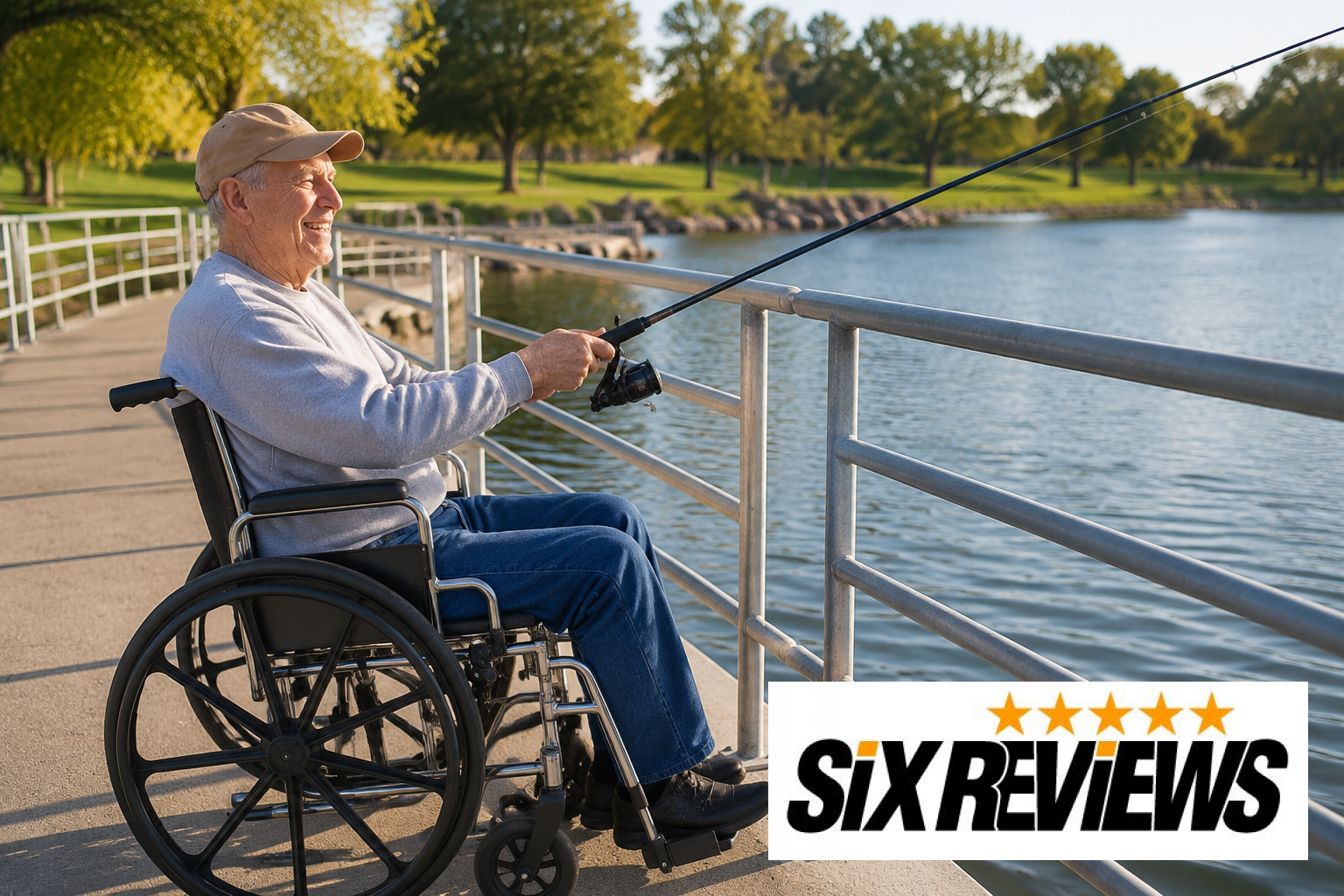
If you use a wheelchair, a walker, or a cane, or if you simply want easier footing, you can still enjoy fishing. Many parks now offer accessible fishing piers built with railings, ramps, and paved paths.
- Fort Yargo State Park, Georgia. This park has an ADA-accessible fishing pier with railings and space for wheelchairs.
- Lake Poway, California. This spot offers an ADA-compliant pier with railings and lowered countertops for comfortable casting.
- Beaver Lake, Arkansas. This lake has several ADA-compliant fishing piers along with paved trails that are easy to travel.
Beyond these specific spots, most state fish and wildlife agencies keep updated lists of accessible fishing locations. Colorado Parks & Wildlife, for example, maintains a full list of handicapped fishing piers, paved trails, and wheelchair-friendly access points across the state. Oregon’s wildlife department offers something similar. A quick search for “your state accessible fishing” or a call to your state wildlife agency will point you toward the closest barrier-free spot near you.
Staying Safe and Comfortable on the Water
Fishing is safe and gentle, but a little planning goes a long way toward keeping your trip comfortable and worry-free.
Basic Safety Steps
- Always fish with a buddy when you can.
- Tell a family member or friend where you are going and when you plan to return.
- Wear a properly-fitted life preserver anytime you are on a boat or dock over water.
- Choose non-slip shoes with good ankle support to avoid slips on wet docks or muddy banks.
Dress for the Weather
- Wear broad-spectrum sunscreen with SPF 30 or higher on all exposed skin.
- Put on a wide-brimmed hat to shade your face and neck.
- Wear UV-resistant sunglasses to protect your eyes from glare.
- Choose breathable, long-sleeved shirts to shield your skin while staying cool.
Keep Your Energy Up
Bring plenty of water and sip it often, especially on warm days. Take breaks in the shade when you feel tired. There is no rush. Part of the joy of fishing is slowing down, so rest whenever you need to.
Cleaning and Cooking Your Catch
Once you land a fish you want to keep, a few simple steps will get it from the water to your dinner table.
Keeping It Fresh
Bring a cooler filled with ice on your fishing trip. Place your catch in the cooler right away to keep it fresh. Fish tastes best when cooked the same day you catch it, but it will keep safely in your refrigerator for two to three days if needed.
Cleaning Your Fish
There are three simple ways to clean a fish at home: filleting, pan dressing, and skinning. Filleting removes the meat from the bones in two clean pieces. Pan dressing removes the head, tail, fins, and insides, leaving the fish whole. Skinning removes just the skin.
Use a sharp, flexible fillet knife for the cleanest cuts. Wear a fillet glove on the hand holding the fish. This simple glove protects your fingers from slips and keeps the job safe and easy.
Cooking It Just Right
You will know your fish is done cooking when the flesh changes from translucent to a solid, opaque white. It should feel firm but still moist, and it should flake apart easily when you test it with a fork. Whether you bake, grill, or pan-fry your catch, this simple test works every time.
Real Stories From Fellow Anglers
Walter, 72, a retired teacher, had not fished since he was a boy. He tried a free Senior Fishing Derby with nothing to lose since there was no license fee and the gear was provided. He was hooked. Now he joins a local fishing club twice a month at Fort Yargo State Park. The accessible pier makes it easy for him to fish despite his mild arthritis. His family says his balance and mood have both improved.
Maria, 68, deals with rheumatoid arthritis. Her doctor suggested fishing as a low-impact way to stay active. She started with shore fishing at a nearby pond using a lightweight rod. The gentle casting and reeling actually helped loosen up her wrists. Now she catches and cleans her own fish at home. She says filleting is far easier than she expected once she started using a proper fillet glove.
George, 75, found an accessible fishing platform close to home and started inviting his grandchildren along. The paved path works well with his cane. His grandkids are learning to fish from their grandfather, and the family now makes a monthly trip together. The kids enjoy the adventure, George enjoys the fresh air, and everyone shares the fresh catch for dinner afterward.
Key Takeaways
- Fishing improves balance, joint flexibility, vitamin D levels, and stress levels, and it can be a great social activity.
- A simple spinning rod combo, small tackle box, and folding chair are all you need to start.
- Senior license discounts start as early as age 60 in some states and are free in fourteen states.
- Free Senior Fishing Derbies from the U.S. Fish & Wildlife Service let you try fishing at no cost, with gear and lunch included.
- Many parks offer ADA-accessible piers and paved trails, and your state wildlife agency can help you find them.
- Always fish with a buddy, wear sun protection, and bring plenty of water.
- A cooler with ice, a sharp fillet knife, and a fillet glove make cleaning your catch quick and safe.
- Check with your doctor before starting any new physical activity, including fishing.
Frequently Asked Questions
What age do I need to be to qualify for a senior fishing license discount?
Most states start senior discounts at 65, but Louisiana begins at 60 and some states go as high as 70 or older. Check your state wildlife agency website for exact age requirements.
How much will a senior fishing license cost me?
If you’re 65 or older, fourteen states offer free licenses completely. In other states, the average annual cost is $9.50, though some, like Tennessee at $4 a year, are very affordable. Many states also offer one-time lifetime licenses.
Where can I find accessible fishing spots that work with my mobility limitations?
Most state fish and wildlife agencies maintain disabled angler access maps listing locations with ADA-compliant piers, paved pathways, and wheelchair-accessible facilities. Search your state’s wildlife department website or contact them directly.
Is fishing safe for someone my age with health conditions?
Yes, fishing is low-impact and often recommended for seniors. It can improve balance, flexibility, and mental health. Always fish with a buddy, wear a life preserver on water, stay hydrated, use sun protection, and let someone know your location. Check with your doctor first if you have a health condition.
How do I clean and cook fish without it being too complicated?
Bring an ice cooler to your fishing spot. At home, use a sharp fillet knife and wear a cutting glove for safety. Clean your fish by removing the gills and insides, then fillet it, and cook it until the flesh turns white and flakes easily. It is simpler than you would expect.
Fishing is more than a way to pass the time. It is a gentle, welcoming hobby that gets you outside, moving, and connected to the people you love. Whether you start with a free Senior Fishing Derby or grab a simple rod, your next relaxing afternoon by the water is closer than you think. Cast your line and see where it takes you.
