

You do not need a strong back to grow your own tomatoes. You do not need to kneel in the dirt for hours, either. With the right setup, gardening after 60 can be one of the easiest, most rewarding habits you keep. Raised beds, containers, and a few smart tools take the strain out of gardening and leave the joy in. Whether you want fresh herbs on your patio or a full bed of vegetables, this guide shows you how to grow more while bending less.
Why Gardening Is So Good for You After 60
Gardening is more than a hobby. It is real exercise for your body and your mind. Digging, planting, weeding, and watering are all low to moderate intensity activities. They build muscle strength, improve coordination, and keep your joints flexible. Time spent in the garden can even count toward the 150 minutes of weekly moderate activity that the CDC recommends for older adults.
The benefits go further than muscles. Researchers have linked regular gardening to a lower risk of heart disease and stroke. Gardening has also been connected to sharper memory and quicker thinking among older adults who garden often. Being outside in fresh air and sunlight helps your body make vitamin D. That supports strong bones and better sleep. Gardening also lowers stress hormones like cortisol. Lower stress can lift your mood and ease feelings of depression.
Gardening involves bending, lifting, and time in the sun, so it is smart to talk with your doctor before you start any new activity. This is especially true if you have a heart condition, high blood pressure, or joint problems. Once you get the green light, the tips below will help you garden safely and comfortably.
Raised Beds: The Backache-Free Way to Garden
A raised bed is simply a garden box built up off the ground. Instead of bending all the way down to soil level, you plant and harvest at a much easier height. This one change removes most of the strain that keeps many seniors out of the garden.
Get the Height and Width Right
Experts recommend a raised bed that stands 24 to 30 inches tall. That height lets you reach in while standing, or sit comfortably on the edge if you prefer. Keep the bed about 4 feet wide. That width lets you reach the center from either side without stretching or straining your back.
Why Raised Beds Work So Well
Raised beds take away the need to kneel or bend low, which is the biggest source of back and knee pain in traditional gardens. This makes them a smart choice if you deal with arthritis, a bad back, or balance concerns. Many home improvement stores sell ready-made raised bed kits, so you do not need to build one from scratch. If you do build your own, use screws instead of nails for a sturdier frame, and line the bottom with landscape fabric to help keep weeds out.
Container Gardening: Even Easier Than a Raised Bed
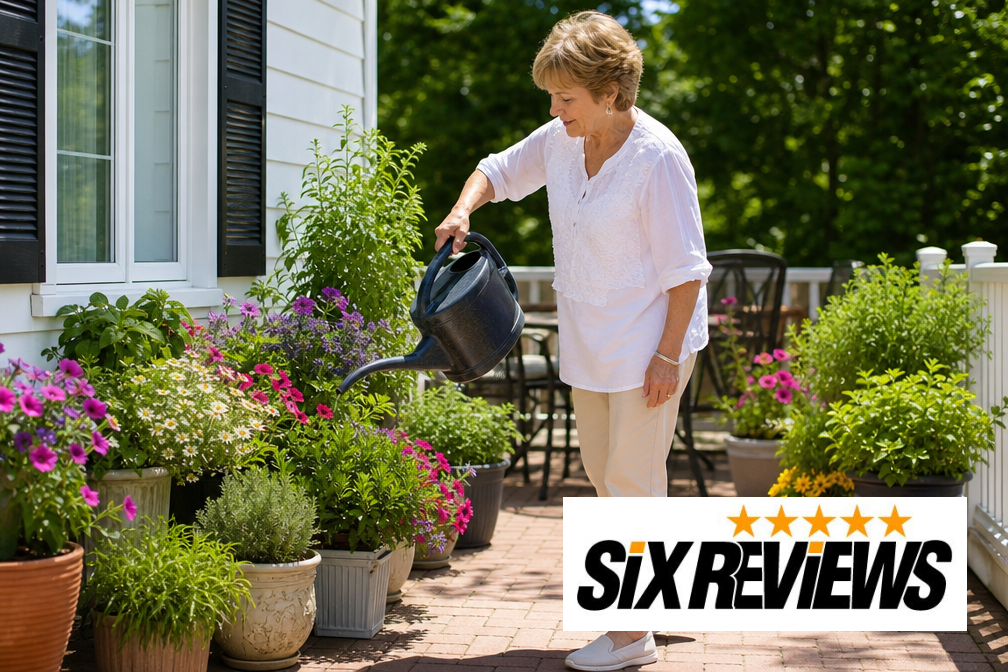
If a raised bed still feels like too much, containers are a wonderful next step. Pots and planters let you grow food and flowers on a porch, patio, balcony, or even indoors near a sunny window. There is no digging involved at all.
Pick Lightweight, Larger Pots
Choose resin or plastic-blend containers instead of heavy concrete or terra cotta ones. They are much easier to lift and move. Bigger containers are actually easier to care for than small ones, because they hold moisture longer and do not dry out as fast. That means less frequent watering for you.
Bring Plants Up to Eye Level
Set your containers on plant stands, tables, or sturdy shelves so you do not have to bend down to reach them. You can also try vertical gardening, growing plants on a trellis or wall-mounted planter. This brings leaves and fruit up closer to eye level, which makes watering and harvesting much easier on your back and knees.
Easy Crops That Almost Grow Themselves
Some plants are simply more forgiving than others. Starting with easy crops builds your confidence and gives you a better chance of a great harvest.
- Vegetables: peas, beans, cucumbers, squash, lettuce, cherry tomatoes, small tomato varieties, and peppers
- Herbs: basil, mint, and rosemary grow well in containers and need very little care
- Flowers: geraniums, petunias, and marigolds add bright color and are easy for beginners
Peas and beans are especially good starter crops. You can plant the seeds directly in soil, and many varieties can climb a small trellis instead of sprawling across the ground. Cherry tomatoes are another favorite, since they ripen faster than large tomatoes and taste great straight off the vine.
Tools That Protect Your Hands and Back
The right tools can make gardening feel almost effortless, even if you have arthritis or joint pain.
- Look for tools with rubber, silicone, or soft grip handles. They reduce hand fatigue and are easier to hold if your grip strength has changed.
- Choose extended-handle tools, like long-handled weeders, trowels, and pruners. These let you work from a standing position instead of bending or kneeling.
- Try a garden kneeler with side handles if you do want to sit closer to your plants. The handles give you something sturdy to push up from.
- Use a lightweight watering can, or better yet, set up a simple drip irrigation system. Drip lines deliver water straight to the roots, so you spend less time and energy watering by hand.
Many hardware stores and garden centers carry these tools in their senior or ergonomic gardening section. If you are not sure where to start, staff at a local garden center can usually point you to a good beginner set.
A Simple Season-by-Season Starter Plan
You do not need to do everything at once. Here is an easy plan to spread the work out across the year.
Spring
- Set up your raised bed or containers in a spot that gets at least six hours of sun.
- Plant cool-weather crops like peas, lettuce, and beans once the last frost has passed.
- Add a drip irrigation line if you plan to use one.
Summer
- Plant warm-weather crops like tomatoes, peppers, cucumbers, and herbs.
- Water in the early morning to help plants handle the heat.
- Harvest often. Cherry tomatoes and beans keep producing more when you pick them regularly.
Fall
- Pull out spent plants and add a layer of mulch or compost to your beds.
- Plant a second round of lettuce or peas, since both grow well in cooler weather.
Winter
- Rest your beds, or bring a few herb pots indoors near a sunny window.
- Plan next year’s garden. Many local libraries carry gardening books and seed catalogs you can borrow for free.
Picture Your Own Garden Like This
Here are a few examples of how real seniors might set up a garden that fits their needs. Use them as ideas for your own space.
Say you deal with lower back pain. You could build a raised bed that is 4 feet wide and 28 inches tall. Plant peas, beans, and lettuce in the spring. Water with a drip system, and use a long-handled weeder while standing. Many gardeners who switch to this setup notice less stiffness in their daily routine.
If you live in an apartment with a small patio, container gardening may suit you best. Try growing cherry tomatoes, basil, and marigolds in five lightweight resin containers, set on stands at waist height. Grandchildren often enjoy helping with harvest day and picking fresh basil for dinner.
Prefer company while you garden? Look into a community garden with raised beds built for easy access. Gardening with a friend or neighbor a couple of mornings a week can bring better sleep, a brighter mood, and new friendships.
Key Takeaways
- Raised beds should be 24 to 30 inches tall and about 4 feet wide for easy reach without bending.
- Container gardening avoids bending entirely and works well on patios, balconies, and indoors.
- Choose lightweight resin containers, and go bigger, since larger pots hold moisture longer.
- Easy starter crops include peas, beans, lettuce, cherry tomatoes, peppers, and herbs like basil and mint.
- Ergonomic tools with soft grips and extended handles protect your hands, wrists, and back.
- Gardening counts as moderate activity toward the CDC’s weekly exercise guidelines for older adults.
- Always check with your doctor before starting any new physical activity.
Frequently Asked Questions
Will raised bed gardening hurt my back?
No. Raised beds remove the bending and kneeling that usually cause back strain. Set your bed at 24 to 30 inches tall so you can garden while standing, or sit comfortably on the edge.
What vegetables are easiest to grow if I have limited mobility?
Peas, beans, lettuce, cherry tomatoes, peppers, and herbs are great choices. They grow well in containers or raised beds and need very little bending to plant or harvest.
Can I still garden if I have arthritis in my hands?
Yes. Use tools with rubber or silicone grip handles to ease strain on your hands. Extended-handle tools also cut down on wrist twisting and hand fatigue.
How much time do I need to spend gardening to see health benefits?
Regular, consistent sessions matter more than long ones. Gardening a few times a week can help you work toward the CDC’s goal of 150 minutes of moderate activity, while supporting memory, mood, and physical strength.
Is container gardening as productive as an in-ground garden?
Yes. Containers can produce a full harvest of vegetables, herbs, and flowers. They also let you skip bending entirely, and you can move them to catch the best sun or avoid bad weather.
Gardening after 60 is not about doing less. It is about gardening smarter. With a raised bed, a few good containers, and tools built for comfort, you can grow fresh food, bright flowers, and real health benefits, all without the backache. Start small, choose one or two easy crops, and let your garden grow from there.
